5 tips for a healthy and SIMPLE diet!
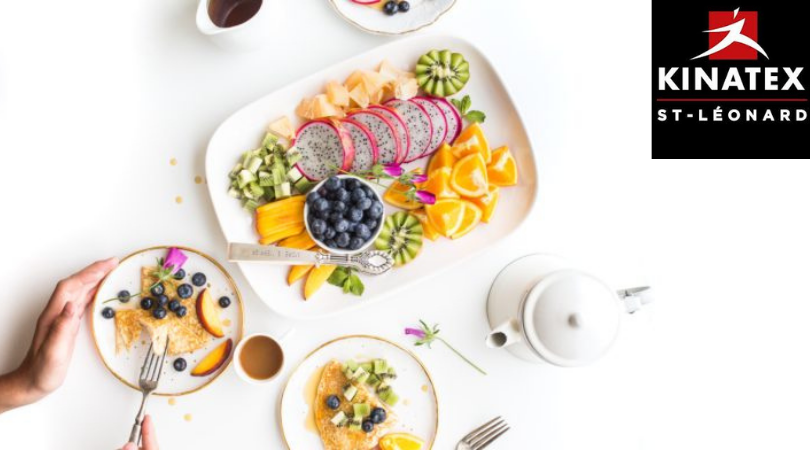
With the current situation with COVID-19, many seek to educate themselves to optimize their health. Nutrition information can become overwhelming, and you can quickly get confused in the wake of the advice you receive. Here are 5 tips for adopting healthy eating habits without complicating your life.
1-Hydrate throughout the day, mainly with water
It is best to use water as the main source of hydration. However, certain foods such as fruits, vegetables, milk, yogurt, vegetable drinks and broths also provide a certain volume of liquid.
The first piece of advice is to have a reusable water bottle on hand and make it a goal to drink it completely twice a day. Bottles have an average volume of 750ml which is equivalent to 1.5L per day of water if you drink twice the volume of your water bottle.
To enhance the taste of your water, you can steep frozen fruit or fresh herbs, such as mint or lavender, in it for about 3 hours.
Here's an interesting article that describes flavored waters in more detail:
https://www.fraichementpresse.ca/cuisine/inspiration/5-idees-eaux-aromatisees-1.8502489
You can also make yourself some tea or herbal tea and let it cool. To do so:
- Fill a 500ml container with ice and pour in the tea.
- Store it in the refrigerator and consume it preferably within 24 hours.
Instructions inspired by David’s Tea. How to make an iced tea to perfection. June 2019. Retrieved from http://blog.davidstea.com/fr/comment-preparer-un-the-glace-a-la-perfection/
2-Consume fruits and vegetables with each meal as much as possible
3-Follow the balanced plate for your meals
Here is the approximate distribution of your plate:
Fruits and vegetables: Vary the colors as much as possible!
Whole grains: Rice, quinoa, pasta, whole grain bread, oats, etc.
4-Consume protein with each meal
5-Vary the foods eaten
Contact us to learn more about the nutrition services offered at Kinatex Saint-Léonard!